Surviving a coma is just the beginning. Here’s my journey through brain injury, memory loss, and emotional changes after a stroke—and why “the damage is done” was never a complete answer.
Living with brain injury after a coma is a silent struggle that most people don’t see. After suffering a stroke due to a sickle cell crisis, I heard the same phrase repeatedly from doctors: “The damage is done.” But what does that even mean?
This blog is part personal reflection, part educational guide. It unpacks the reality of cognitive challenges, emotional shifts, memory loss, and behavioral changes that come with post-coma brain injury. Whether you’re a survivor, caregiver, or simply want to understand, this is my story—and my fight to reclaim my life.
While I was healing from my coma, in rehab surrounded by therapists, doctors, and my family, one phrase echoed more than any other:
“The damage is done.”
It was the conclusion doctors gave to my family — and it eventually became the explanation handed down to me.
As I relearned how to walk, balance, speak, read, and write — all while trying to rediscover how to be me again — I realized there were other challenges no one had warned me about. Memory lapses. Comprehension difficulties. Slowed thought processes. And then, there was the emotional flatness — or as my son described it, my filter was gone. I said things exactly as I felt them, bluntly and without hesitation. It wasn’t rudeness — I just didn’t feel anything. Emotions, especially fear, didn’t register the way they used to. I, who once avoided horror movies, could now watch them without blinking. I wasn’t scared. My reactions — especially in moments of anger — were quicker, sharper, and more intense. Something had changed, and I needed more than “the damage is done.”
That search for clarity led me from Virginia to Maryland to Texas and back to Maryland, meeting specialist after specialist, chasing a real explanation. In Texas, yet another neurologist reviewed my case and echoed the same words:
“The damage is done.”
He explained I wouldn’t be able to return to the kind of work I used to do and encouraged me to find something else to pour myself into.
But I wasn’t ready to accept that as the end of my story. By the time I met my fourth neurologist, I brought along two MRI scans taken two years apart. As he reviewed them, I saw the expression on his face change. Before he could say it, I spoke up:
“Please don’t tell me the damage is done. Tell me what damage is done.”
That’s when I finally got an answer.
He told me every part of my brain had sustained damage, but the frontal lobe was hit the hardest.
Understanding Brain Injury: What Doctors Don’t Always Say
Brain injury is unpredictable and deeply personal. It affects not just how we think or move — but who we are. It reshapes our personality, our emotions, and even how we see the world.
Here are a few essential truths:
- A person with a brain injury is still a person first.
- No two brain injuries are the same.
- The effects vary significantly depending on severity, location, and cause.
- Brain injuries often affect the invisible — memory, mood, attention — not just what people can see.
I started researching, reading, and asking questions doctors couldn’t always answer. One neurologist told me plainly:
“There’s no brain transplant — you’ll have to work with what you’ve got and relearn everything.”
Let me be honest — relearning everything the second time around? That’s exhausting.
My stroke was caused by a sickle cell crisis in the brain — it blocked blood flow to several lobes. The situation was so critical, surgery wasn’t an option. Touching any part of my brain could’ve meant death. So they let my body fight. And by God’s grace, I survived.
A Quick Guide to Brain Function and Injury
A Healthy Brain
The brain — soft and complex — is protected by the skull. It consists of neurons (nerve cells) that carry messages through nerve tracts to control everything we do: breathing, thinking, moving, feeling, reacting, sensing. When one part of the brain is injured, everything interconnected is affected.
An Injured Brain
Brain injuries can interrupt how messages are sent and received. This can cause issues with:
- Memory and thinking
- Emotional regulation
- Balance and coordination
- Speech, hearing, or vision
- Internal processes like blood pressure, bladder control, and temperature regulation
Some effects are temporary. Others, like mine, can be lifelong.
🧠 How Brain Injury Affects Function by Location
Injuries to the Left Side of the Brain May Cause:
- Difficulty understanding language (receptive language)
- Difficulty speaking or forming words (expressive language)
- Catastrophic emotional reactions such as depression or anxiety
- Problems with verbal memory
- Impaired logical reasoning
- Trouble sequencing thoughts or actions
- Reduced control over right-sided body movements
Injuries to the Right Side of the Brain May Cause:
- Challenges with visual-spatial processing (e.g., judging distance or depth)
- Difficulty recalling visual memories
- Neglect or lack of awareness of the left side of the body (left neglect)
- Poor awareness of personal deficits
- Changes in creativity and perception of music
- Difficulty seeing the “big picture” or thinking holistically
- Reduced control over left-sided body movements
Diffuse Brain Injury (Damage Spread Throughout the Brain) May Cause:
- Slowed thinking speed
- Mental confusion
- Difficulty maintaining attention or focus
- Chronic fatigue
- Widespread cognitive impairments (thinking, reasoning, problem-solving)
Brain Lobes & Their Functions
Here’s a breakdown of each brain lobe and what happens when it’s injured:
Frontal Lobe
- Personality
- Judgment
- Emotional regulation
- Attention & concentration
- Problem-solving
- Motor skills (movement)
- Speaking (expressive language)
- Awareness of limitations
Injury can cause: impulsive behavior, lack of emotion, aggression, poor judgment, disorganization, difficulty speaking
Temporal Lobe
- Memory
- Language comprehension
- Hearing
- Sequencing
- Organization
Injury can cause: memory problems, difficulty understanding language, trouble following steps or sequences
Parietal Lobe
- Touch and spatial awareness
- Differentiating sizes, shapes, colors
- Visual perception
Injury can cause: poor coordination, difficulty reading maps, trouble identifying objects
Occipital Lobe
- Vision
Injury can cause: blurred vision, visual hallucinations, difficulty recognizing objects
Cerebellum
- Balance
- Coordination
- Fine motor skills
Injury can cause: unsteady movement, tremors, dizziness, poor balance
Brain Stem
- Breathing
- Consciousness
- Heart rate
- Sleep/wake cycles
Injury can cause: problems with breathing, sleep, swallowing, and even alertness
Side-Specific Injuries
Left Brain Injury:
- Language issues (speaking/understanding)
- Depression, anxiety
- Right-side body weakness
- Logic and sequencing issues
Right Brain Injury:
- Visual memory issues
- Left-side neglect
- Creativity and music perception changes
- Awareness and spatial judgment problems
Diffuse Injury (both sides):
- Slow thinking
- Trouble focusing
- Confusion
- Fatigue
- Impaired cognitive function
✨ Real Life with an Injured Brain
Understanding the medical facts is one thing — living with them is another.
I didn’t just read about these effects in a brochure; I experienced them daily. I struggled to follow conversations, forgot simple instructions, and felt overwhelmed doing tasks I used to breeze through. Some days I’d cry and not know why. Other days, I felt nothing at all.
One side of my body was weaker. I’d bump into things on my left, forget words mid-sentence, or space out completely in the middle of a conversation. But the hardest part? People looked at me and assumed I was fine. I looked “normal” — so they couldn’t understand why I wasn’t “back to myself.”
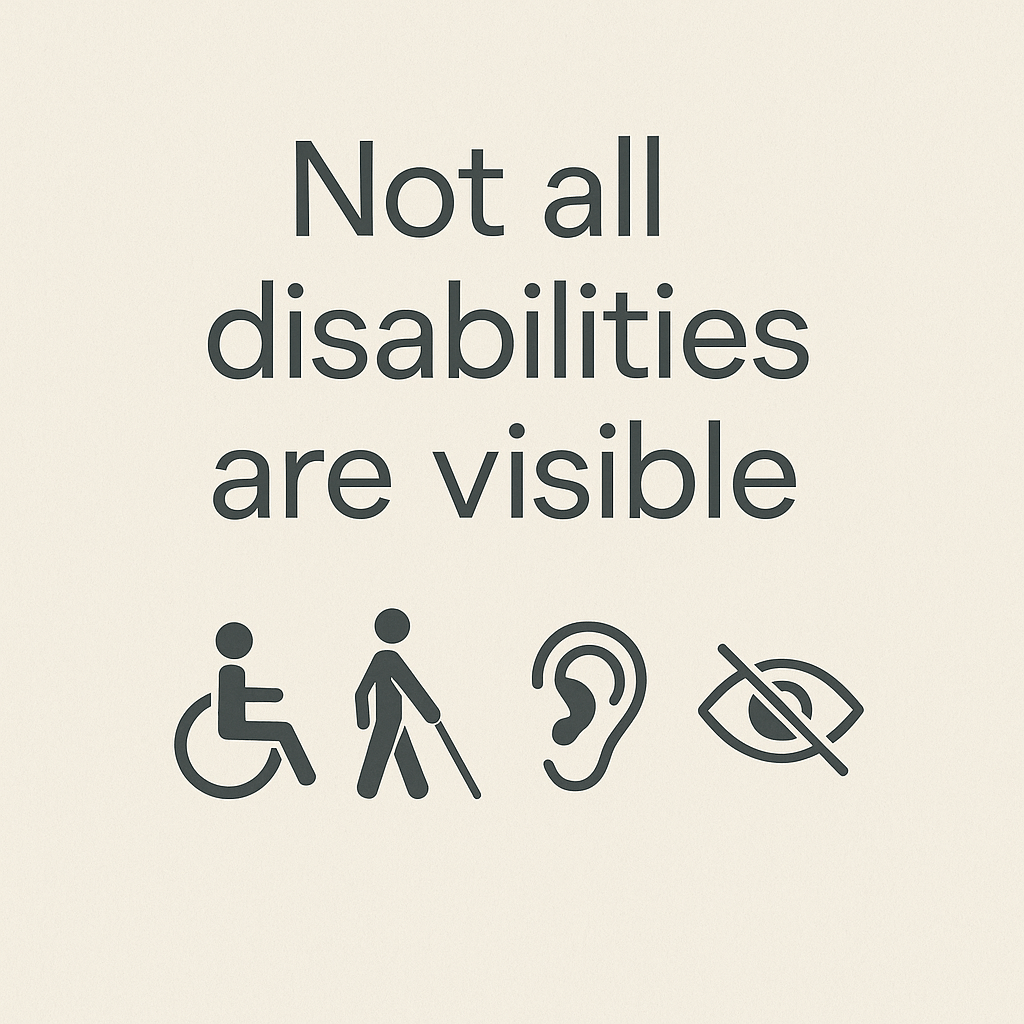
This is why brain injury is often called an invisible disability.
If you or someone you love is walking this path, remember this:
You are not broken.
You are rebuilding.
You are still here — and that is a miracle.
Final Reflection
Now imagine living like this… and nobody knows. You look fine, so people assume you are fine. But every day, you’re navigating a hidden maze — trying to hold on to the person you once were, while learning to love the person you’re becoming.
And that’s what it means to live with a brain injury.
💛 Affirmation
I am still healing, but I am not helpless.
I may not be who I was, but I am becoming someone stronger.
My brain may have changed, but my purpose remains. I am still worthy. I am still needed. I am still here.
🙏 Prayer for Strength After Brain Injury
Heavenly Father,
Thank You for carrying me through what others didn’t think I would survive.
Thank You for the breath in my lungs and the strength in my soul.
Some days are hard, Lord — when my mind forgets and my body fails.
But I know You are the God who restores.
Help me not to measure my progress against the past,
but to see each moment of clarity, peace, or movement as a victory.
Give me patience with myself and with others who don’t understand.
Surround me with grace, with helpers, with hope.
And when I feel lost inside my own body — remind me that You are still with me.
Every step. Every day.
Amen.

 Phoenix: Live Love Laugh
Leave a comment