Facing Avascular Necrosis with Sickle Cell Disease: My Unspoken Journey
Until 2016, I thought I knew everything I needed to know about my disease—sickle cell. But that summer, I learned a hard, painful lesson no doctor had ever warned me about: Avascular Necrosis (AVN).
Avascular Necrosis happens when the blood supply to a bone—usually in the hip or shoulder—temporarily or permanently disappears. Without blood flow, the bone starts to collapse. In simple terms: the joint narrows, the bone weakens, and pain becomes a constant, unwelcome companion.
I found out the hard way.
It all started in the summer of 2016. I woke up one morning with what I thought was just a stiff neck—maybe I had “slept wrong.” Weeks went by, and the discomfort didn’t go away. I couldn’t even describe the pain properly—it was strange, dull, and persistent. When I finally saw a Rheumatologist (who wrongly believed I had Lupus), she brushed off my concerns. She offered me two choices: a steroid shot or physical therapy.
Something in my spirit said no, so I declined.
As the months dragged on, the pain grew worse—more intense, more crippling. I finally asked my Primary Care Physician for a simple X-ray. The X-ray results showed something suspicious, but not clear enough, so they ordered a CT scan. Still, no real answers—only guesses. Meanwhile, I was getting worse by the day.
I was sent to a cancer hospital, making hour-long trips each way, only to finally be told it wasn’t a tumor or cancer. Relief, yes—but no closer to answers. Finally, an orthopedic doctor casually mentioned something I had never heard before:
“It could be Avascular Necrosis.”
Finding a specialist who understood AVN was a challenge where I lived, but after months of long drives and relentless persistence, I finally found an amazing orthopedic surgeon. He gave it to me straight:
I was already at Stage 3—heading quickly toward Stage 4—and surgery was unavoidable.
It had taken almost a full year just to get a proper diagnosis.
By then, my right arm had grown so weak that holding a cup of water brought tears to my eyes. Writing became unbearable.
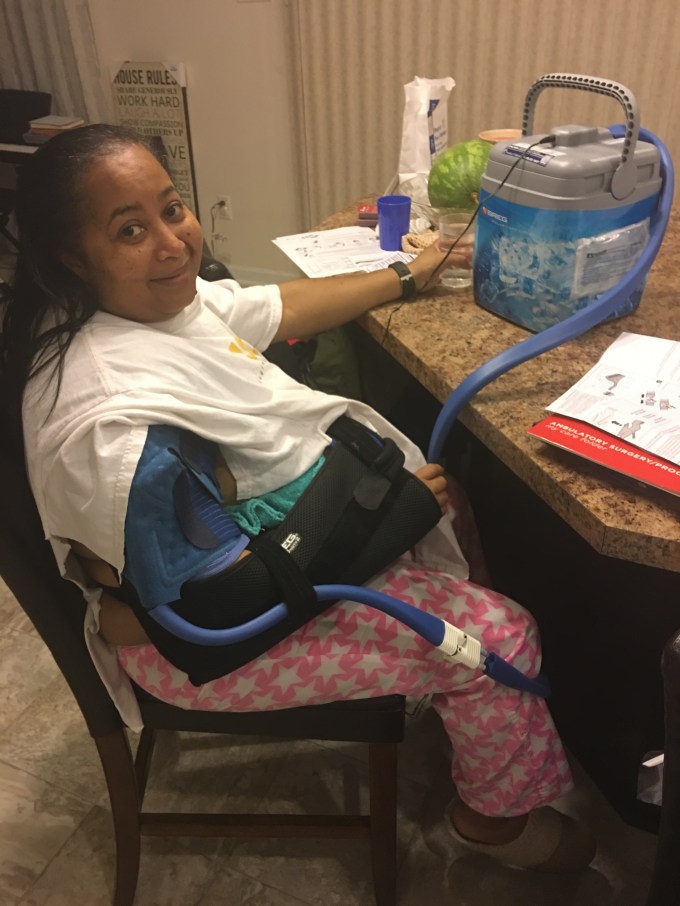
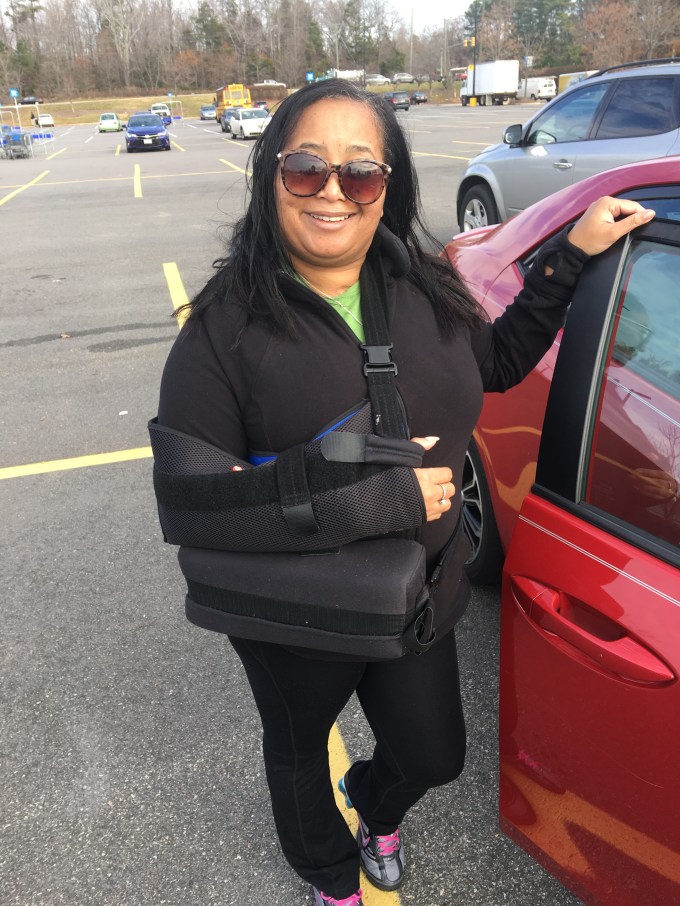
I underwent shoulder replacement surgery on November 17, 2017.
The surgery itself went smoothly. But anyone who knows sickle cell understands that surgery is never just surgery for us—our blood demands more oxygen, our bodies are more fragile.
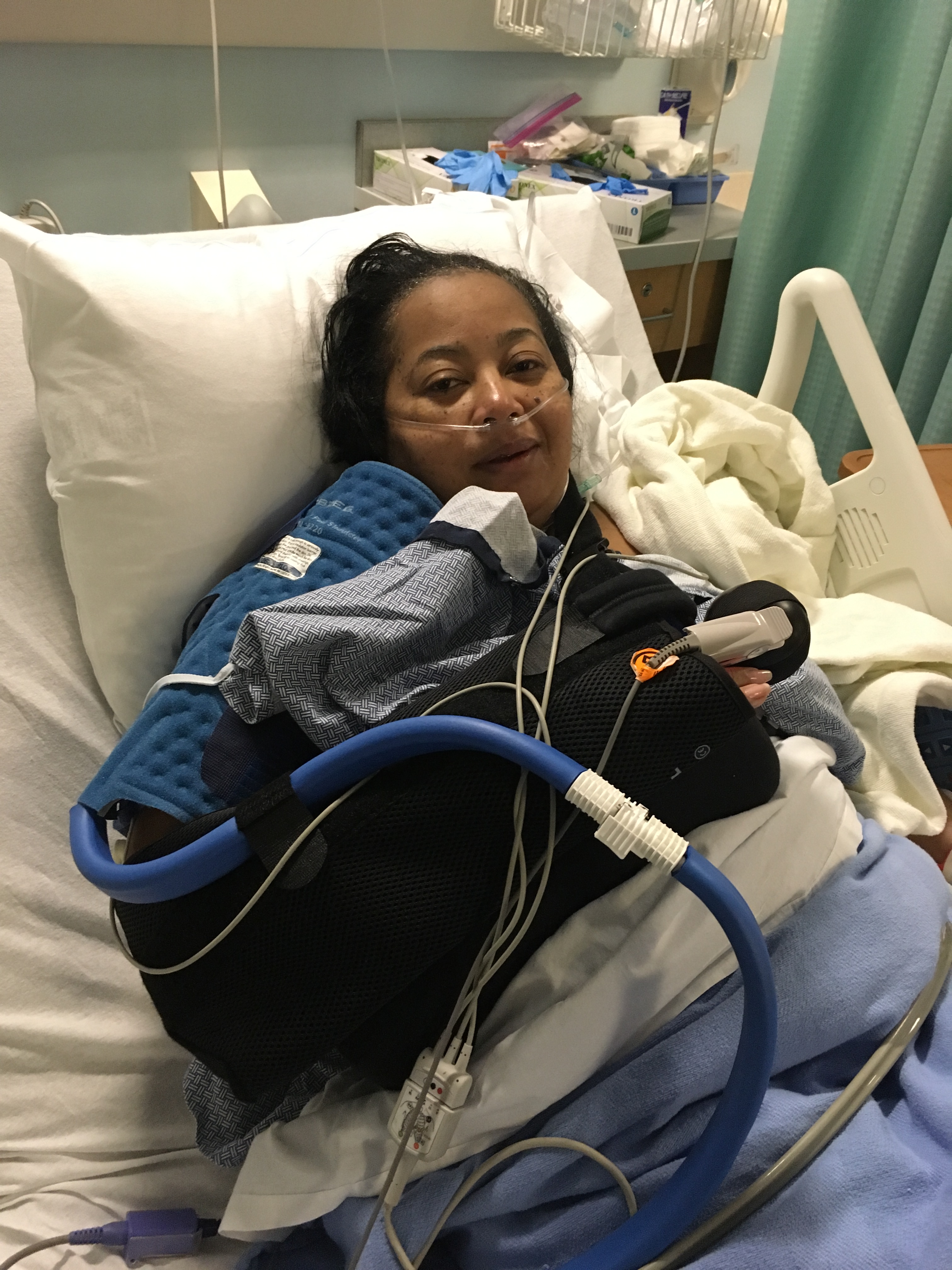
Twelve hours after being discharged, I developed a high fever. Stubborn as I was, I waited three days before finally surrendering to the ER. I was immediately admitted—diagnosed with hospital-acquired pneumonia.
Because my blood counts were too low for antibiotics to work properly, I needed an emergency blood transfusion.
That year, I spent Thanksgiving in a hospital room, battling yet another unseen war.
Fast forward to today:
I relocated to Texas last summer.
And guess what?
I now have AVN in my left shoulder—and my left hip.
Surgery on my left shoulder is scheduled for June 26. Sadly, I can’t do both joints at once, meaning I face another 6 to 12 months of pain before my hip can be addressed.
Truthfully, I have been living in constant pain—24/7—for the past three years.
But if you see me?
You’ll still see a smile.
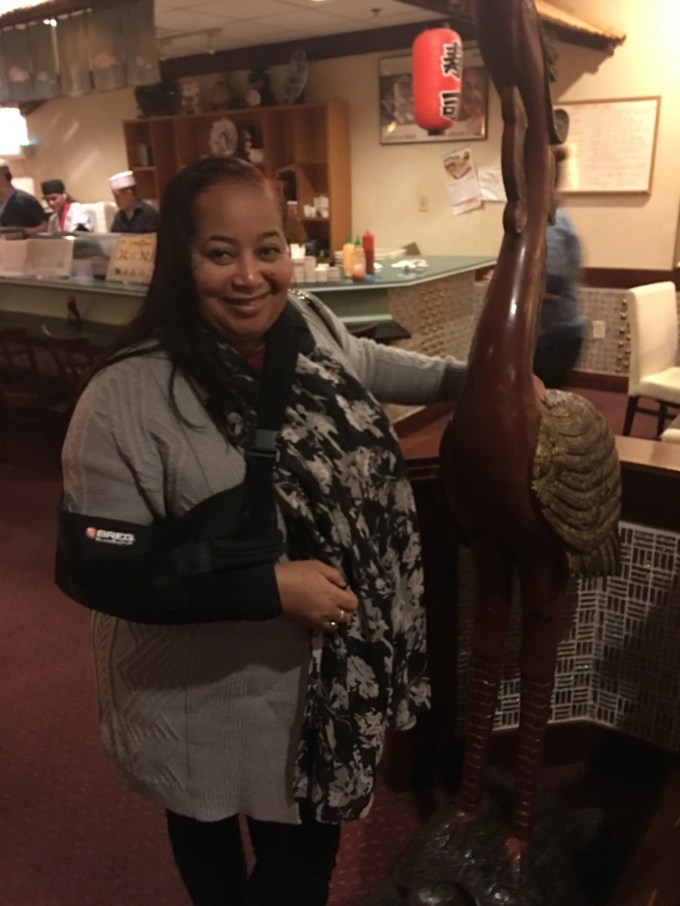
Because despite the battles, despite the pain, despite everything—I choose joy.
Back in 2017, I wasn’t prepared. I didn’t do my homework. I didn’t know what questions to ask or what to expect.
But this time is different.
This time, I’m ready.
And if you’re facing shoulder replacement surgery, sickle cell, or AVN yourself—stay tuned. I’m going to share the do’s and don’ts from the battlefield.
Because no one fights alone if I can help it.

The Do’s and Don’ts Before Shoulder Replacement Surgery (Especially for Sickle Cell Warriors)
Facing shoulder replacement surgery can feel overwhelming—especially if you’re living with sickle cell disease.
I’ve been through it once already in 2017, and also in 2019.
Here’s what I wish someone had told me the first time around.
✅ Do: Prepare Your Medical Team Ahead of Time
- Tell every doctor and nurse about your sickle cell disease. Even if it’s written in your chart—say it out loud.
- Insist on a pre-op meeting with the anesthesiology and hematology teams. Make sure they understand your risk for complications like oxygen loss, infection, or blood transfusions.
- Ask about blood matching early. Don’t wait. Getting your blood typed and cross-matched for transfusion compatibility can save time—and your life.
✅ Do: Build a Personal Care Plan
- Request oxygen after surgery, even if you feel okay. Sickle cell patients often require extra oxygen to heal properly.
- Plan to stay hydrated. Dehydration is dangerous with sickle cell—especially post-surgery.
- Set up help at home. Whether it’s a friend, family member, or caregiver—trust me, you’ll need an extra set of hands.
🚫 Don’t: Ignore the Warning Signs After Surgery
- Fever? Increased pain? Trouble breathing? Go back to the ER immediately.
Waiting three days like I did (lesson learned!) is too risky. - Even if you think “I’m just being stubborn”—go get checked out.
✅ Do: Get Comfortable Asking Questions
- Before surgery: “What’s your plan for pain management knowing I have sickle cell?”
- After surgery: “Can you check my oxygen and blood counts regularly?”
- Don’t leave any appointment with confusion. Your life is too valuable.
🚫 Don’t: Rush Your Recovery
- Healing from shoulder replacement—especially with a blood disorder—is not a sprint.
- Follow your physical therapy schedule, but listen to your body.
If something feels wrong, speak up.
✅ Do: Advocate for Yourself Fiercely
You know your body better than anyone else.
If a nurse brushes off your pain, or a doctor underestimates your needs—stand firm.
Kindly, but firmly remind them: “I am a sickle cell patient. My care plan must reflect that.”
Final Thoughts
Sickle cell disease adds extra layers of complexity to surgery—but it doesn’t erase your strength.
Preparing ahead, speaking up, and surrounding yourself with the right support can make all the difference.
You’re not just a patient—you’re a warrior.
And every step you take, even the painful ones, is a step closer to healing.

 Phoenix: Live Love Laugh
Leave a comment