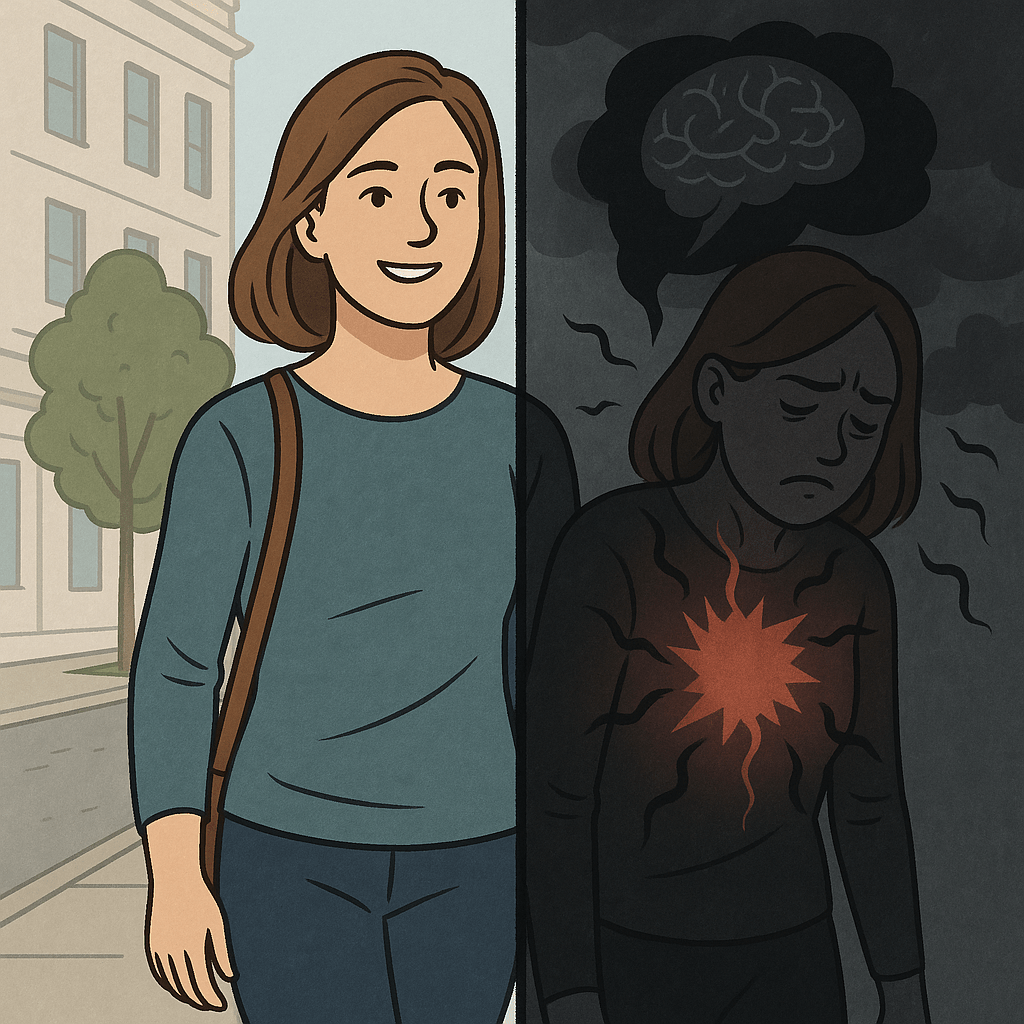
Living with an invisible disability presents unique challenges. These conditions, which include chronic pain, mental health issues, and neurological disorders, often go unseen by others. While the external appearance may seem normal, the internal struggles are real. It’s important to understand the emotional and mental toll that invisible disabilities take, and how empathy and support can make all the difference.
What Is an Invisible Disability?
Invisible disabilities refer to conditions that are not immediately apparent to others. These can range from chronic pain and autoimmune disorders to mental health conditions like depression or anxiety. Unlike physical disabilities that may be visible, these conditions often remain hidden, leading to misunderstanding and a lack of support.
The Emotional and Mental Impact of Invisible Disabilities
Invisible disabilities can affect a person’s mental health and emotional well-being. The constant need to mask pain or discomfort can lead to feelings of isolation, frustration, and anxiety. When others can’t see the disability, it’s often hard for them to understand the mental and physical toll it takes.
The emotional impact can also be significant. There is a constant battle to explain your experience, which may lead to feelings of invalidation or the need to overcompensate for not “looking sick.” This can also contribute to stress and emotional exhaustion.
Misunderstandings of “Looking Fine”
One of the most challenging aspects of invisible disabilities is the disconnect between how others perceive you and how you feel. Because you may “look fine” on the outside, people often assume that you are healthy. This assumption can be frustrating, as it invalidates the real challenges that come with living with an invisible condition. It’s essential for others to understand that just because a disability is unseen, doesn’t mean it isn’t impacting someone’s life.
The Power of Empathy in Supporting Those with Invisible Disabilities
Empathy plays a crucial role in supporting those with invisible disabilities. When others take the time to understand the condition, it fosters a deeper connection and provides emotional support. Showing empathy means listening without judgment, offering help when needed, and acknowledging the person’s struggle, even if it’s not visible to the naked eye. “What we don’t need are people telling us how to feel or offering solutions without truly understanding our experience.“
What We Need: Understanding, Patience, and Support
- Understanding: Acknowledge that invisible disabilities are real, even if they aren’t physically apparent.
- Patience: Give those living with invisible disabilities the time and space they need without pressure.
- Support: Offer a helping hand or a listening ear, as simple acts of support can make a big difference.
Navigating Life with an Invisible Disability
Living with an invisible disability requires resilience, self-compassion, and a community of support. It’s important to set boundaries and seek spaces where your experience is validated. Advocating for yourself and finding understanding friends, family, or colleagues can make the journey easier.
Conclusion
Invisible disabilities are often the hardest to explain because they don’t fit into the common framework of what people expect to see. But they are real, and they deserve compassion and understanding. When we take the time to listen and truly empathize with those around us, we can begin to break down the barriers of invisibility and create a more supportive and inclusive world for everyone.Invisible disabilities may not be visible, but they are very real. By fostering empathy, understanding, and patience, we can help create a world where everyone feels supported, no matter their challenges.
Call to Action: Do you or someone you know live with an invisible disability? Share your experience in the comments below or reach out to someone who may need support.

 Phoenix: Live Love Laugh
Leave a comment